

Places To See
The Best Places To See In Northern Cyprus
3 December, 2009
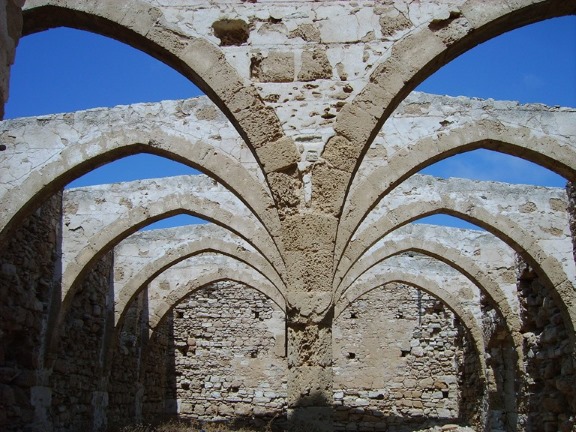
Like sentinels along the Cyprus shore, stand the slowly crumbling relics of a wealthy past. These are the remnants of an ancient trade that once helped make Cyprus very rich. Dotted along the coastline, now abandoned and neglected, stand carob […]
30 November, 2009
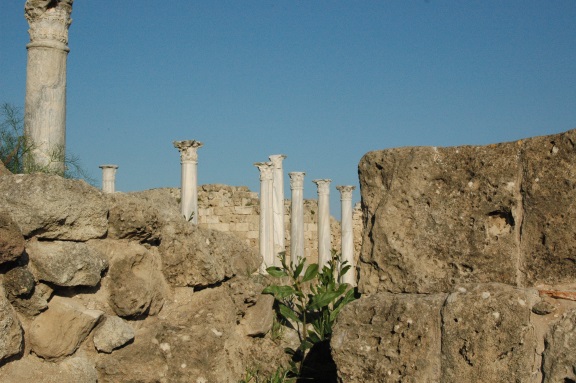
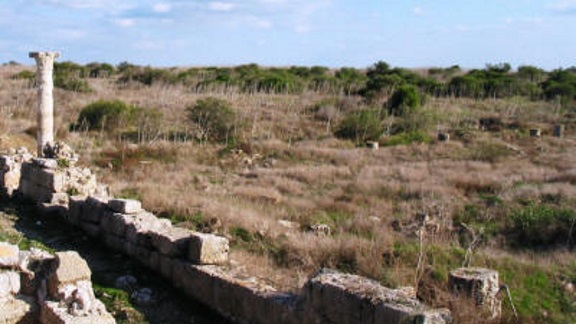
The partially excavated site of the ancient city of Salamis, has fascinated archaeologists for hundreds of years and it is the most important archaeological site on the whole of Cyprus. Nestling on the shoreline of Famagusta Bay, the remains of […]
26 October, 2009

From the Dervish Pasha Konak, turn right from the front door and you will be in the thoroughfare that was once called Victoria Street (Salahi Sevket Sokak). This was the main road through the predominantly Armenian quarter until 1964, when […]
25 October, 2009
The Venetians, wishing to make their own mark on the palace changed the façade of the entrance, extending it outwards, building basket arches and incorporating massive granite pillars imported from the ruined city of Salamis. Over the central arch are […]
25 October, 2009
Bellapais Abbey | Kyrenia The Abbey of Bellapais has drawn visitors to the island of Cyprus since medieval times when the abbey was built. From the pilgrims who trod the ancient paths in search of a miracle through to the […]
22 November, 2009

Access to this ruined monastery is from the same mountain road that leads from The Five Finger Mountain to Alevkaya. After driving for about 4 miles (6.5km) slow down and keep looking down into the valley below. The monastery buildings […]
25 October, 2009
This bastion is adjacent to the modern entrance to the harbour, it is named after the Commander of the Ottoman forces who succeeded in effecting a successful entry into the city by riding his horse into the whirling wheel that […]
26 October, 2009
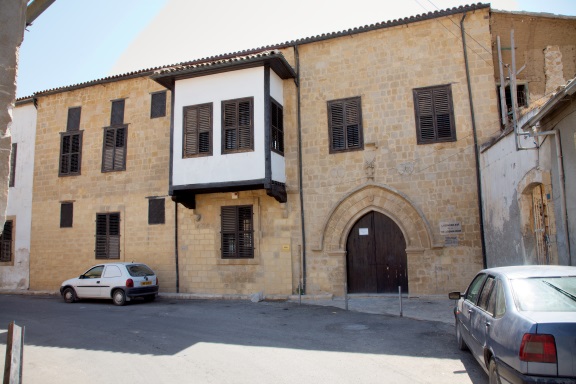
This is probably the most beautiful of the restored houses in the area adjacent to the Selimiye mosque and it can be found in the street that passes the Haydar Pasha mosque. Dating from the Lusignan period the house has […]
22 November, 2009
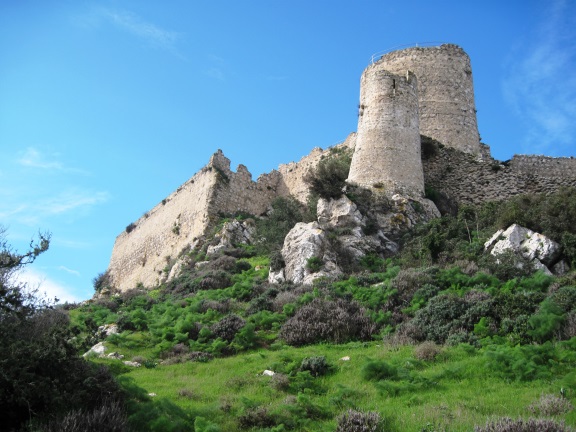
North Cyprus is blessed with three castles built high upon the ridge of the Kyrenia mountains, each has something different to offer, and two of them involve steep climbs. St. Hilarion, high above Kyrenia, and Buffavento, some six miles east […]
26 October, 2009
Very close to the Epiphanios basilica is the cathedral-like cistern that provided water for the entire city. The water was transported through an aquaduct that was 45 miles long from a spring in the Kyrenia mountain range. Of the aquaduct, […]