

Main Town
26 October, 2009
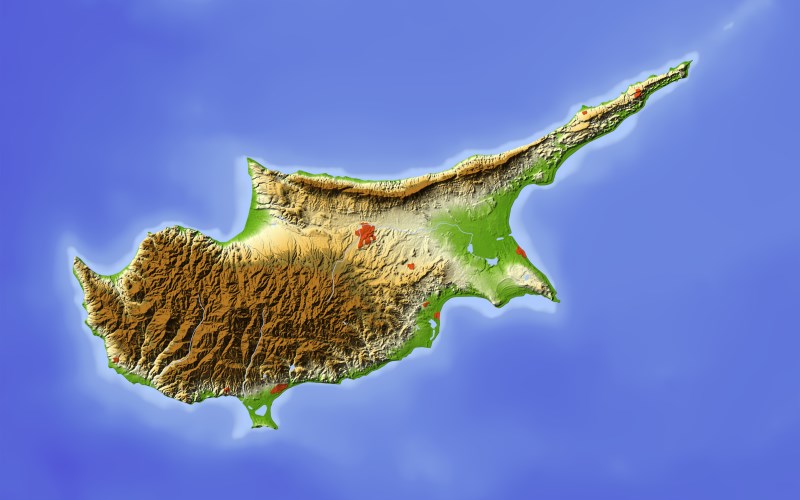
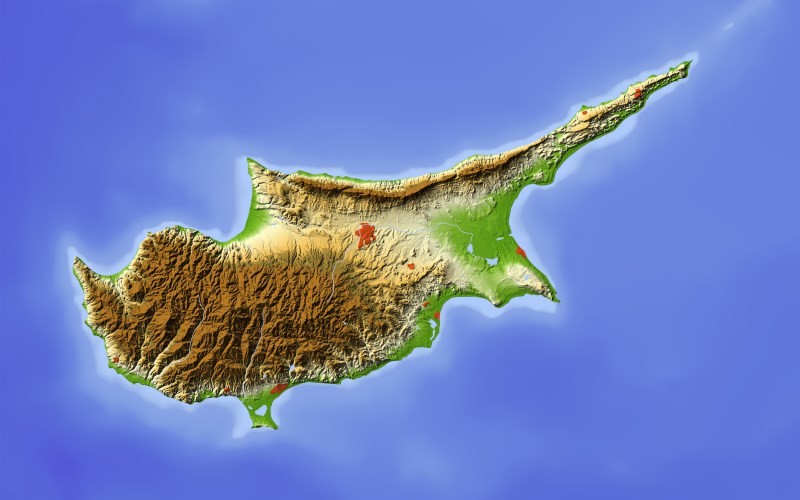
“You are welcome Sir, to Cyprus” – Othello, William Shakespeare. Cyprus is an island that has inspired writers throughout the ages. From William Shakespeare who set “Othello” at a sea port in Cyprus, through to the eighteenth and nineteenth century […]
View some of the articles about Northern Cyprus below, or choose from one of the categories on the right. You can also perform a search about North Cyprus on the right hand side.
25 October, 2009
The Land Gate and Ravelin | Famagusta The land gate is probably as old a building within the city as the citadel, though the current bridge and gateway entrance are relatively modern. The road now passes through one of the […]
25 October, 2009
This was the second of the two main entrances to the city during medieval times, giving access to travellers from the harbour. The sea gate we see today was constructed by the Venetians and was built by Nicolo Prioli in […]
25 October, 2009
Lala Mustafa Pasha Mosque (Cathedral of St. Nicholas) The most impressive edifice in Famagusta, if not the whole of Cyprus, is the beautiful gothic Catholic Cathedral built during the Lusignan period and dedicated to St. Nicholas. Constructed in the 14th […]
25 October, 2009
Church of SS Peter and Paul | Famagusta This church, lies to the south of the palace and though closed to the public is in good repair. It was used at one time as a mosque, the remains of the […]
25 October, 2009
Church of St. George of the Greeks | Famagusta Built beside the small Byzantine church of St Symeon, the church of St. George was the Orthodox Cathedral. An elegant mix of Gothic and Byzantine styles it was intended to rival […]
25 October, 2009
This bastion is adjacent to the modern entrance to the harbour, it is named after the Commander of the Ottoman forces who succeeded in effecting a successful entry into the city by riding his horse into the whirling wheel that […]
25 October, 2009
The Venetians, wishing to make their own mark on the palace changed the façade of the entrance, extending it outwards, building basket arches and incorporating massive granite pillars imported from the ruined city of Salamis. Over the central arch are […]
25 October, 2009
The Martinengo Bastion | Famagusta Situated on the north west corner of the city this bastion is diamond shaped and was considered by the Ottoman forces to be impregnable. It is constructed on top of solid rock and maybe for […]
25 October, 2009
The fortress that guards the harbour and is now called Othello’s Tower, was built during the Lusignan period in the 14th C, and it may well have been a residence for members of the royal family or their entourage during […]
25 October, 2009
St. George of the Latins | Famagusta This delightful, small, single aisle church is very close to Othello’s Tower and represents the essence of clean, simple gothic design. Much ruined now, it still retains many features that are fine examples […]